

Room with a Purpose: Tips for Designing Multi-Functional Spaces in Your Columbus Home
Your home should work as hard as you do, but too often spaces end up underused or cluttered. Designing multi-functional spaces can solve this, making every corner purposeful without sacrificing style. In this post, you’ll find practical tips—from zoning an open concept to choosing dual-purpose furniture—that turn your Columbus home into a place built for living, working, and relaxing. Let’s explore how thoughtful space planning can refresh your rooms and fit your lifestyle perfectly. For more inspiration, you can check this guide on multi-functional spaces.
Designing Multi-Functional Spaces

Turning your home into a multi-functional haven starts with smart planning. By considering your needs and lifestyle, you can create spaces that serve multiple purposes. Let’s dive into the essentials of space planning and open concept zoning.
Practical Space Planning Tips
Imagine having a room where every inch is used efficiently. This is the magic of thoughtful space planning. Begin by assessing your needs—do you require a home office, a play area, or reading nook? Prioritize these functions based on your daily activities.
To maximize your space, consider the following:
-
Assess Your Layout: Identify underutilized areas in your home. That empty corner could become a cozy reading spot with the right chair and lighting.
-
Use Versatile Furniture: Opt for pieces that can serve multiple functions. A sofa bed, for example, provides both seating and sleeping options.
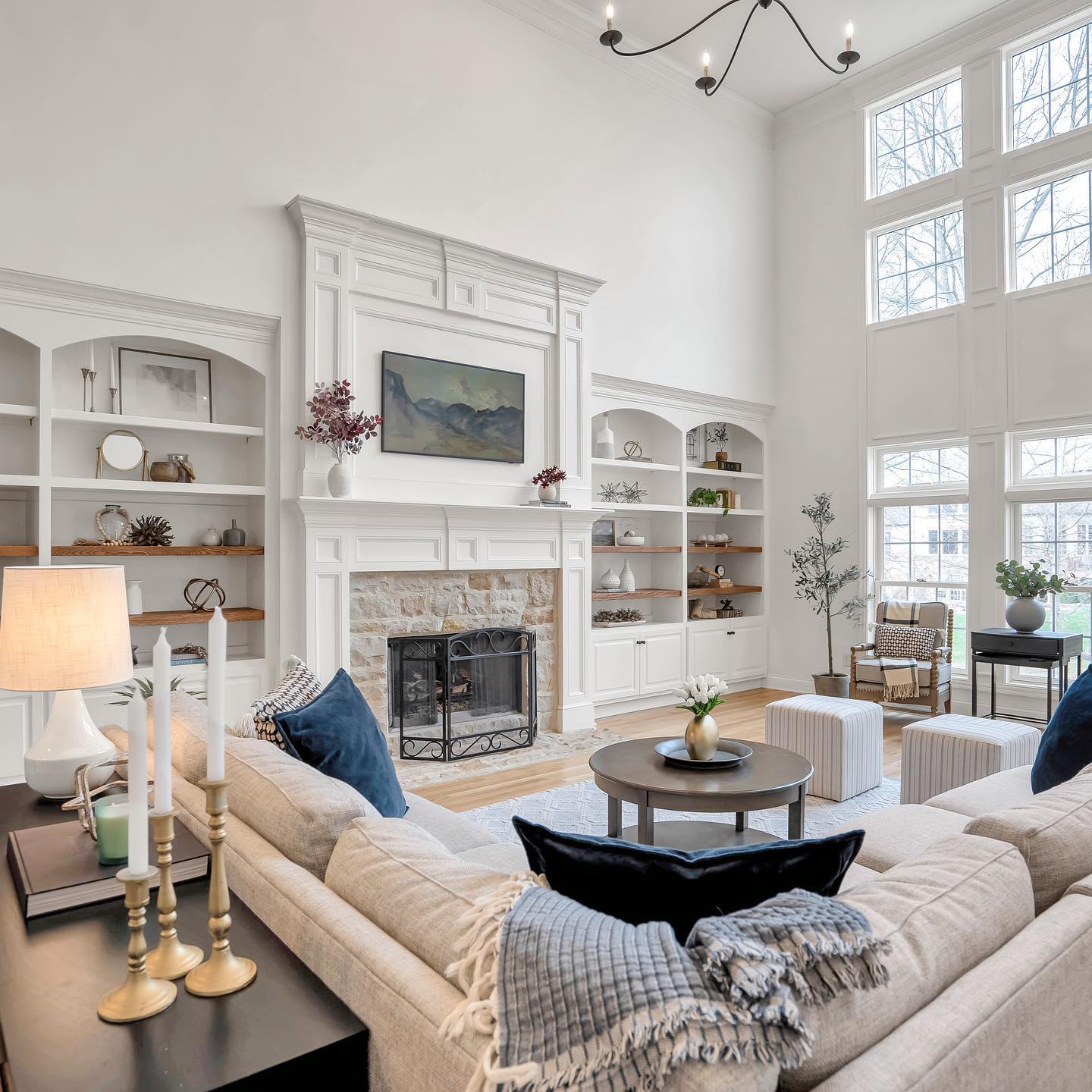
Lastly, don’t forget about vertical space. Shelves can store books, display decor, and keep clutter off the floor, making your room feel more spacious and organized.
Zoning an Open Concept Area
Open concept areas are popular for their airy feel and flexibility. Yet, they can quickly become chaotic without proper zoning. By dividing these spaces, you can maintain flow while ensuring each area has its own identity.
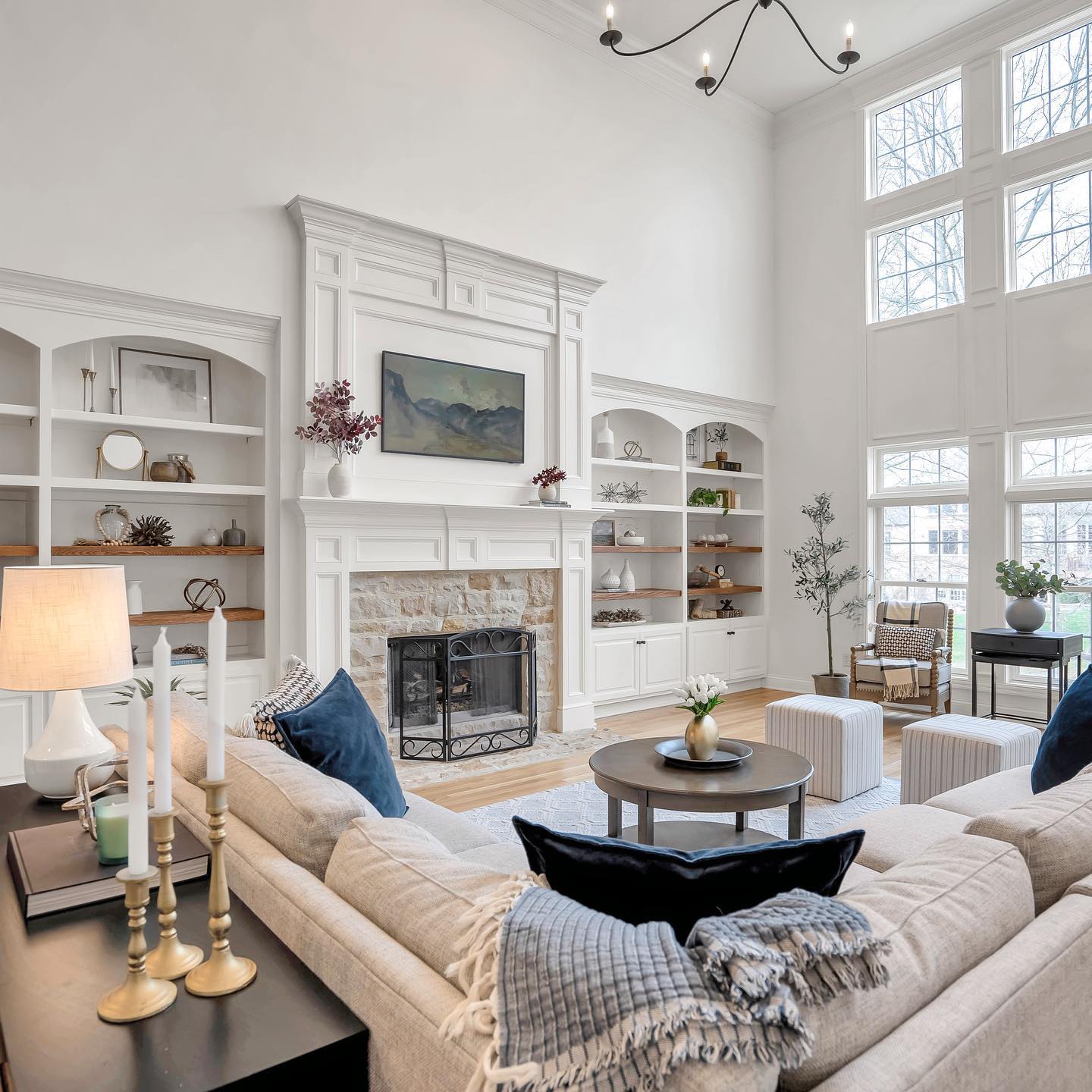
Consider rugs to define zones. A tasteful rug under your dining area can separate it from the living space. Similarly, furniture arrangement can guide the eye and create distinct sections. Facing a sofa towards a fireplace makes a natural conversation area.
Don’t shy away from room dividers. A bookshelf or a folding screen can offer separation without closing off the space. For more ideas on zoning and room planning, explore this resource.
Choosing the Right Furniture

Furniture is the backbone of any multi-functional space. The right pieces will serve multiple roles while maintaining style and comfort. Let’s explore how to choose wisely.
Benefits of Dual-Purpose Furniture
Imagine a coffee table that doubles as storage, or a bed with drawers beneath. Dual-purpose furniture offers solutions for maximizing your space without clutter.
These pieces are perfect for small spaces or homes needing flexibility. A fold-out desk can transform a corner into a home office in seconds, then disappear to free up room. This creates an adaptable environment ideal for shifting needs.
When choosing dual-purpose pieces, consider durability and style. You want items that will last and also blend seamlessly with your decor. Discover how versatile furniture can transform your home with more tips here.
Integrating Custom Storage Design
Storage is key to keeping multi-functional spaces organized. Custom options allow you to tailor solutions to your specific needs and aesthetic preferences, making your home both beautiful and functional.
Consider built-in shelves or cabinets. These can be designed to fit your space perfectly and offer ample storage without encroaching on room area. Another option is hidden storage, such as benches with lift-up seats or ottomans with interior space.
Embrace creativity in design. A custom unit can incorporate open shelves for decor and closed cabinets for clutter. This balance keeps your space tidy and stylish. For more storage inspiration, check out this article.
Enhancing Room Flexibility
With a solid foundation of planned spaces and smart furniture, it’s time to focus on flexibility. This ensures your home adapts to changing needs over time.
Family-Friendly Design Ideas
Creating a family-friendly space means prioritizing safety, comfort, and functionality. Choose materials that withstand wear and tear, such as durable fabrics and finishes that are easy to clean.
Incorporate flexible furniture like modular sofas that can be rearranged to suit playdates or movie nights. Low storage units enable children to access toys easily, teaching them organization from a young age.
Consider multipurpose rooms, like transforming a dining room into a homework station post-dinner. This approach ensures every family member finds the home both practical and enjoyable.
Home Office Integration Essentials
Working from home is more common than ever. Integrating a home office into your multi-functional space requires careful planning. First, choose a location with minimal distractions—perhaps a quiet corner or part of a living room.
Invest in ergonomic furniture to support long work hours comfortably. Custom desks can fit snugly into any space, maximizing utility without compromising aesthetics.
Decorate with intention. Personal touches, like art or plants, can make your work area inviting, boosting productivity. Explore more on creating effective home office spaces here.
By following these tips, you can transform your Columbus home into a multi-functional masterpiece, ready to meet any challenge or need. Whether you’re working, playing, or relaxing, every room can be a part of your lifestyle journey.



Leave a Reply